Introduction to Balayage and Traditional Hair Color
In the dynamic world of hair fashion, where trends evolve as swiftly as the seasons, understanding the nuances between various hair coloring techniques can be the key to achieving your desired aesthetic. Among the myriad of options available, balayage and traditional hair coloring stand out for their distinct techniques and effects. These two methods, while both capable of transforming hair’s appearance, serve different purposes and offer unique benefits. Understanding these differences can help in making an informed decision about which technique aligns best with personal style preferences and maintenance commitments.
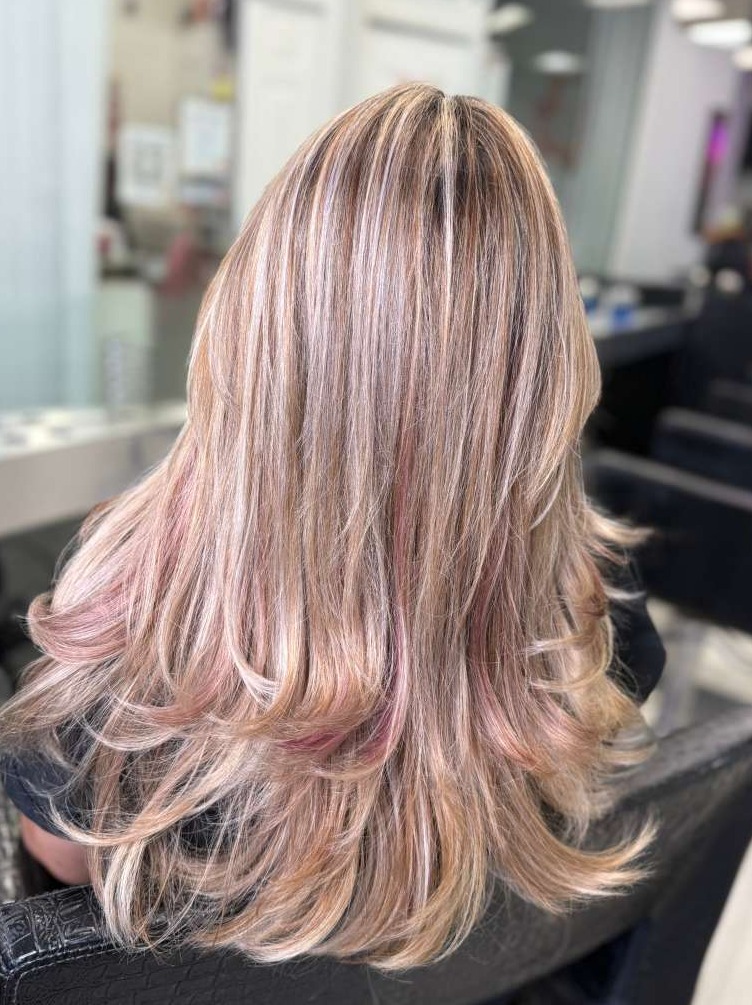
Balayage, a term derived from the French word “balayer,” meaning “to sweep,” is a freehand technique where color is painted onto the hair. This method is celebrated for creating natural-looking highlights that seamlessly blend with the base color, mimicking the way the sun naturally lightens hair. The result is a soft, sun-kissed glow that requires less frequent touch-ups than traditional coloring methods.
In contrast, traditional hair coloring involves a more uniform application of color, often using foils or caps to achieve precise, all-over color. This method is ideal for those seeking a complete transformation or to cover gray hair thoroughly. Traditional coloring techniques can provide bold, rich hues with a consistent tone from root to tip, but they may require more regular maintenance to manage growth and fading.
As you delve deeper into the world of hair coloring, understanding the fundamental differences between balayage and traditional techniques will empower you to choose the method that best suits your aesthetic desires and lifestyle needs. Both approaches offer unique benefits, and selecting the right one can be the first step towards achieving that perfect look.
Understanding the Technique of Balayage
Balayage, a term derived from the French word “balayer,” meaning “to sweep,” is a hair coloring technique that has gained immense popularity for its ability to create a natural, sun-kissed look. Unlike traditional hair coloring methods, which often involve sectioning the hair and applying color from root to tip, balayage is an art of freehand painting. This technique allows colorists to apply highlights in a sweeping motion, focusing on the strands that would naturally lighten in the sun, creating a more personalized and natural appearance.
The Artistic Approach
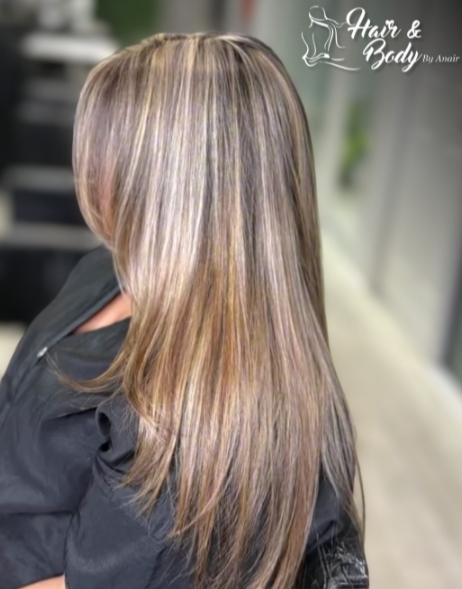
The balayage method is as much about artistry as it is about technique. By strategically painting the hair, colorists can mimic the subtle gradations of light and shadow found in nature. This results in a multi-dimensional effect that enhances the hair’s natural movement and texture. The painted strokes can start closer to the roots or midway down, depending on the desired look, providing a more seamless transition and less noticeable regrowth lines.
Benefits of Balayage
- Low Maintenance: Since the technique involves painting the hair in a way that blends with the natural shade, it minimizes the need for frequent touch-ups.
- Customization: Balayage offers endless possibilities for personalization, allowing each application to be tailored to the individual’s hair type, color, and desired results.
- Natural Look: The sweeping technique results in a softer, more natural appearance compared to the uniformity of traditional highlights.
In essence, balayage is not just a coloring process; it is a personalized experience, crafted to suit each individual’s unique style and preferences. As a result, this technique continues to be a favorite for those seeking a chic and effortless look.
Exploring the Method of Traditional Hair Coloring
Traditional hair coloring is a time-honored technique that has been a staple in the beauty arsenal for decades. This method fundamentally involves applying a uniform color from root to tip, offering a complete transformation. The process typically employs a single shade, designed to cover the entire hair surface, ensuring an even and consistent appearance. This approach is favored for its ability to achieve a dramatic change, whether darkening or lightening the hair, and is particularly effective for covering grey strands.
At the heart of traditional hair coloring is the use of permanent dyes, which penetrate the hair shaft to alter its natural pigment. This results in a lasting color change that can withstand repeated washing without significant fading. The permanent nature of these dyes means they are ideal for individuals seeking a long-term color solution. However, the process can be demanding on the hair, often requiring a commitment to regular touch-ups as new growth appears at the roots.
Traditional coloring is renowned for its versatility. It can be employed to achieve a wide array of shades, from vibrant reds to deep brunettes and icy blondes. Furthermore, it allows for customization with different levels of developer to adjust the lightening effect. Though it may lack the subtlety of more modern techniques like balayage, traditional coloring remains a reliable choice for those desiring a uniform and bold look.
In summary, traditional hair coloring is a classic approach that provides comprehensive coverage and a striking result. Its enduring popularity speaks to its effectiveness in delivering a complete hair makeover, making it a favored choice for those looking to make a definitive change to their appearance.
Comparing the Maintenance of Balayage and Traditional Color
When it comes to maintaining hair color, the choice between balayage and traditional coloring methods can influence not only the frequency of salon visits but also the daily care regimen. Both techniques have their distinct characteristics, impacting how they fade and how often touch-ups are required, making the decision largely dependent on one’s lifestyle and personal preference.
Low Maintenance Appeal of Balayage
One of the most significant advantages of balayage is its low-maintenance nature. This technique involves hand-painting highlights onto the hair, which allows for a more natural growth pattern. As the hair grows out, the color gradually transitions without a stark line of demarcation. This subtle blending means that balayage typically requires fewer touch-ups, often every 12 to 16 weeks. This extended time between appointments makes it a cost-effective option for those who prefer a more relaxed hair care routine.
Traditional Color: The Need for Regular Touch-Ups
In contrast, traditional hair coloring usually involves applying color from the roots to the tips, resulting in a uniform shade. While this can achieve a vibrant and consistent look, the downside is the visibility of root regrowth. Consequently, those who opt for traditional coloring often need to return to the salon every 4 to 6 weeks to maintain their look. This frequency is essential to avoid noticeable roots and to ensure the vibrancy of the color remains intact.
Ultimately, the choice between balayage and traditional hair color should consider not only the desired aesthetic but also the time and effort one is willing to invest in maintenance. Whether seeking the effortless elegance of balayage or the bold statement of traditional color, understanding the upkeep required can guide a more informed decision.
Benefits of Choosing Balayage at a Hair Salon
Balayage, a French term meaning “to sweep,” has revolutionized the world of hair coloring with its unique application technique. Unlike traditional methods, balayage offers a freehand approach, where color is painted onto the hair, creating a natural, sun-kissed effect. This technique not only enhances the hair’s natural beauty but also offers several compelling benefits that make it a preferred choice for many.
Natural Appearance
One of the standout advantages of balayage is its ability to yield a soft, natural look. The seamless blend of colors mimics the way the sun would naturally lighten your hair, providing a subtle and sophisticated finish. This makes balayage an excellent option for those seeking a low-maintenance yet polished appearance.
Low Maintenance
Another significant benefit is the low maintenance required after the initial application. Since balayage grows out naturally, it doesn’t create harsh regrowth lines. This means fewer trips to the salon, saving both time and money while keeping your hair looking fresh and vibrant for longer periods.
Customization and Versatility
Balayage is highly customizable, allowing stylists to tailor the technique to suit individual preferences and hair types. Whether you desire subtle highlights or bold contrasts, balayage can be adapted to achieve your desired look. This versatility makes it suitable for any hair length or color, offering endless possibilities for personal expression.
In essence, balayage is not just a coloring technique but an art form that enhances your natural beauty while offering practical benefits. Its ability to provide a natural appearance, coupled with its low maintenance and customizable nature, makes balayage an ideal choice for anyone looking to refresh their look with elegance and ease.